
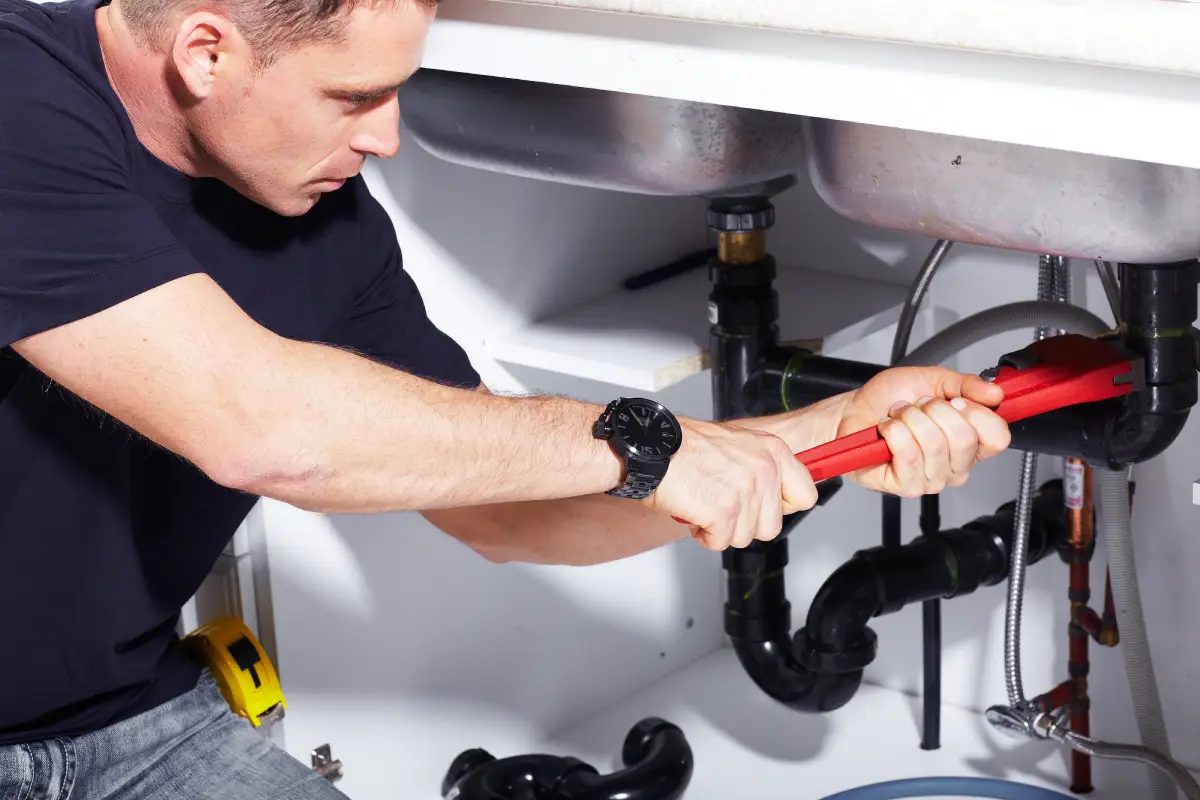
Something feels off when the same repair request keeps coming back, even after you’ve already handled it using structured maintenance planning like the approach outlined in maintenance coordination strategies. At first, it might seem like a coincidence. Over time, the pattern becomes harder to ignore.
In Dothan, where seasonal heat and humidity can put stress on property systems, recurring issues often point to deeper inefficiencies. These problems don’t just affect one unit or one moment. They influence your expenses, tenant experience, and overall property stability.
Key Takeaways
- Recurring repairs usually indicate unresolved system issues rather than isolated events
- Quick fixes often increase long-term maintenance costs over time
- Delayed upgrades lead to more frequent breakdowns and reduced efficiency
- Consistent repair quality supports stronger tenant retention
- Tracking repair patterns helps prevent ongoing maintenance cycles
Why Repeating Repairs Deserve Attention
Repeated maintenance issues are rarely random. They often reveal a deeper problem that wasn’t fully addressed the first time.
Instead of treating each repair as a one-time event, it’s more effective to look at patterns. Identifying what’s causing the issue helps prevent it from returning.
Looking Beyond the Immediate Fix
Some repairs appear minor but are connected to larger system concerns. Plumbing, HVAC, and electrical systems tend to show recurring issues when underlying conditions are not resolved.
Understanding responsibilities is also important. Reviewing details like tenant maintenance roles can help you determine whether recurring problems are related to usage or system inefficiencies.
Common Signs of Deeper Issues
- Frequent plumbing backups or slow drains
- Cooling systems that struggle during peak heat
- Electrical problems that reappear after repairs
When these issues persist, they usually require a more detailed inspection.
The Financial Impact of Repeat Repairs
Individually, small repairs don’t seem costly. Over time, they create a larger financial burden.
Each service call involves labor, materials, and coordination. When the same issue keeps returning, those costs multiply.
Housing expenses continue to rise nationwide. Data shows that median monthly housing costs reached $2,035 in 2024, reflecting how maintenance plays a role in overall property expenses.
Why Temporary Fixes Cost More
Short-term solutions often address visible damage without resolving the cause. This leads to repeat repairs and ongoing expenses.
Owners often question whether repairs are fully covered, which makes resources like rental maintenance guidance helpful when planning long-term strategies.
Bigger Cost Trends
Research shows that housing repair needs reached $198.4 billion in a single year. Much of that cost comes from unresolved maintenance issues.
That number reflects how recurring repairs affect not just individual properties, but the entire housing market.
Why Delaying Fixes Leads to More Problems
Postponing upgrades might seem practical at first. Over time, it creates more frequent breakdowns and higher costs.
Older systems become less reliable. They require more attention and are more likely to fail unexpectedly.
Long-Term Consequences
- Increased repair frequency
- Higher energy bills due to inefficiency
- Reduced the lifespan of equipment
- Greater risk of sudden failures
Addressing problems early helps stabilize maintenance needs and reduce long-term expenses.
You can also assess how these decisions impact returns by using tools like an investment return calculator.
Tenant Experience Depends on Reliable Solutions
Tenants expect repairs to be done the first time correctly. When issues return, it creates frustration.
Even fast responses don’t make up for recurring disruptions. Over time, repeated problems affect tenant confidence.
How Recurring Issues Affect Tenants
Frequent maintenance visits interrupt daily routines. They also create doubt about whether issues are truly resolved.
Insights from resources like insurance planning updates can also help you understand broader risks that impact property stability.
Signs of Declining Satisfaction
- Repeated complaints about the same issue
- Increased frustration with maintenance responses
- Hesitation during lease renewal discussions
These patterns often point to unresolved maintenance concerns.
Retention Challenges Linked to Ongoing Issues
Recurring maintenance problems can lead tenants to look for other options. Even small inconveniences can influence their decision to move.
Higher turnover brings additional costs. Vacancy periods, marketing, and leasing expenses reduce your overall returns.
Why Consistency Matters
Addressing root causes helps create a more stable environment. When tenants trust that issues will be handled properly, they are more likely to stay.
You can evaluate your property’s performance with a rental income review to identify areas for improvement.
A Smarter Way to Handle Recurring Repairs
Breaking the cycle of repeated repairs requires a proactive approach. Instead of reacting to each issue, focus on long-term solutions.
Steps to Improve Maintenance Efficiency
- Track repair history to identify patterns
- Investigate underlying system issues
- Prioritize lasting fixes over temporary solutions
- Schedule preventive maintenance consistently
Access to tools like owner support tools helps you monitor performance and make informed decisions.
The Benefit of Professional Oversight
Handling recurring repairs takes time and coordination. Professional management ensures that issues are addressed correctly and efficiently.
With services like property maintenance solutions, you gain structured support that helps prevent repeat problems.
FAQs about Recurring Minor Repairs in Dothan, AL
What makes recurring minor repairs a warning sign for larger issues?
Recurring minor repairs often point to unresolved underlying problems within a system, and when the same issue returns frequently, it usually indicates that the original fix did not address the true cause.
How can I prevent recurring minor repairs in my rental property?
Preventing recurring minor repairs requires regular inspections, proper maintenance planning, and addressing root causes early, which helps reduce repeat service calls and keeps property systems functioning more reliably over time.
Are certain systems more likely to cause recurring minor repairs?
Yes, plumbing, HVAC, and electrical systems are more prone to recurring minor repairs because they experience frequent use and wear, especially in climates like Dothan, where heat can strain equipment.
Do recurring minor repairs affect tenant retention in Dothan rentals?
Recurring minor repairs can lower tenant satisfaction because repeated disruptions create frustration, and over time, this can influence lease renewal decisions and lead to higher turnover rates.
When should I stop repairing and start replacing a system?
If recurring minor repairs continue despite multiple fixes and costs keep increasing, replacing the system is often the better long-term solution for improving reliability and reducing ongoing maintenance expenses.
Restore Stability and Confidence in Your Dothan Rental
Patterns in recurring repairs often reveal more than surface-level issues. They reflect inefficiencies that affect your expenses, tenant satisfaction, and overall property performance.
Focusing on long-term solutions helps reduce repeated disruptions, stabilize maintenance costs, and improve tenant retention. A proactive approach allows your property to operate more efficiently without constant interruptions.
At PMI Wiregrass, we focus on identifying the root causes behind recurring issues and implementing solutions that protect your investment. If ongoing repairs are becoming a concern, improve long-term property performance with property maintenance solutions and keep your Dothan rental running smoothly.
